Materials5 min read
Material honesty: why touch matters as much as sight
We meet buildings with our eyes, but we remember them with our hands, our feet and our sense of temperature.
By Mira ThorneDesign Director, Interiors
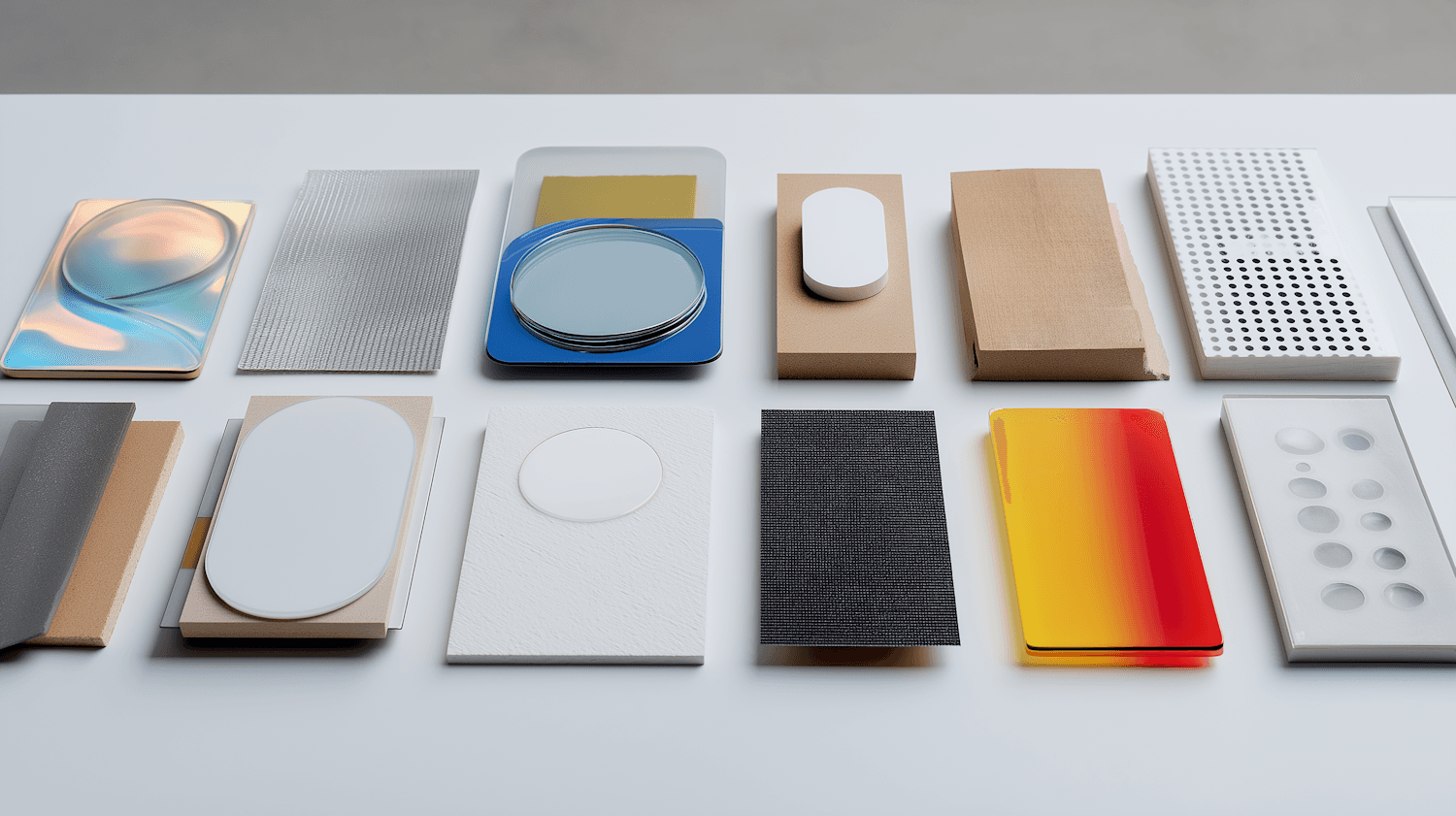
We usually meet buildings with our eyes first, but we remember them with our hands, our feet and our sense of temperature. The cool of a stone step, the give of a timber floor, the softness of a lime-plastered wall in late sun: these are the details that stay with people.
What we mean by honesty
An honest material is one that is what it appears to be. Stone that is stone, timber that is timber, plaster that has been trowelled by hand. Honest materials tend to age with grace, gathering a patina rather than revealing a cheaper layer beneath.
Designing for touch
We map the places where people will touch a building: handrails, door pulls, benches, window sills, the floor of a bathhouse. These surfaces receive the most attention in our palettes, because they are where a building is experienced most intimately.
A handrail is a handshake with the building.
Temperature is part of the palette
Materials feel warm or cool long before anything is measured. Timber and wool feel warm to the hand, while stone and metal feel cool. In a spa we might use honed stone where the body is warm and timber where people rest, so each surface suits the moment it is met.
Testing in real light
Samples behave very differently under office lighting and in a garden at dusk. We test every palette in daylight, on site where possible, and with the people who will live or work with it.
Material choices are also choices about maintenance, sourcing and lifespan. We discuss those openly with clients and suppliers, and we only describe a material as sustainable or locally sourced when that can be verified for the specific project.