Restorative design5 min read
The architecture of rest
Rest is often treated as an absence. In our experience, the places where people rest most easily are full of quiet things, carefully arranged.
By Elena MarloweFounding Partner
Rest is often treated as an absence: no noise, no screens, no demands. Yet the places where people rest most easily are rarely empty. They are full of quiet things, carefully arranged.
Shelter and outlook
People tend to settle where they feel protected from behind and can see out in front: a window seat, a deep porch, a bed facing a garden. We design restful rooms around this simple pairing, giving each one a sheltered edge and a long view.
Light that follows the day
Rest is closely tied to rhythm. Bedrooms that face the morning sun, living spaces that catch the evening light and lighting that dims gently after dark all help a building follow the day rather than fight it.
Fewer, better materials
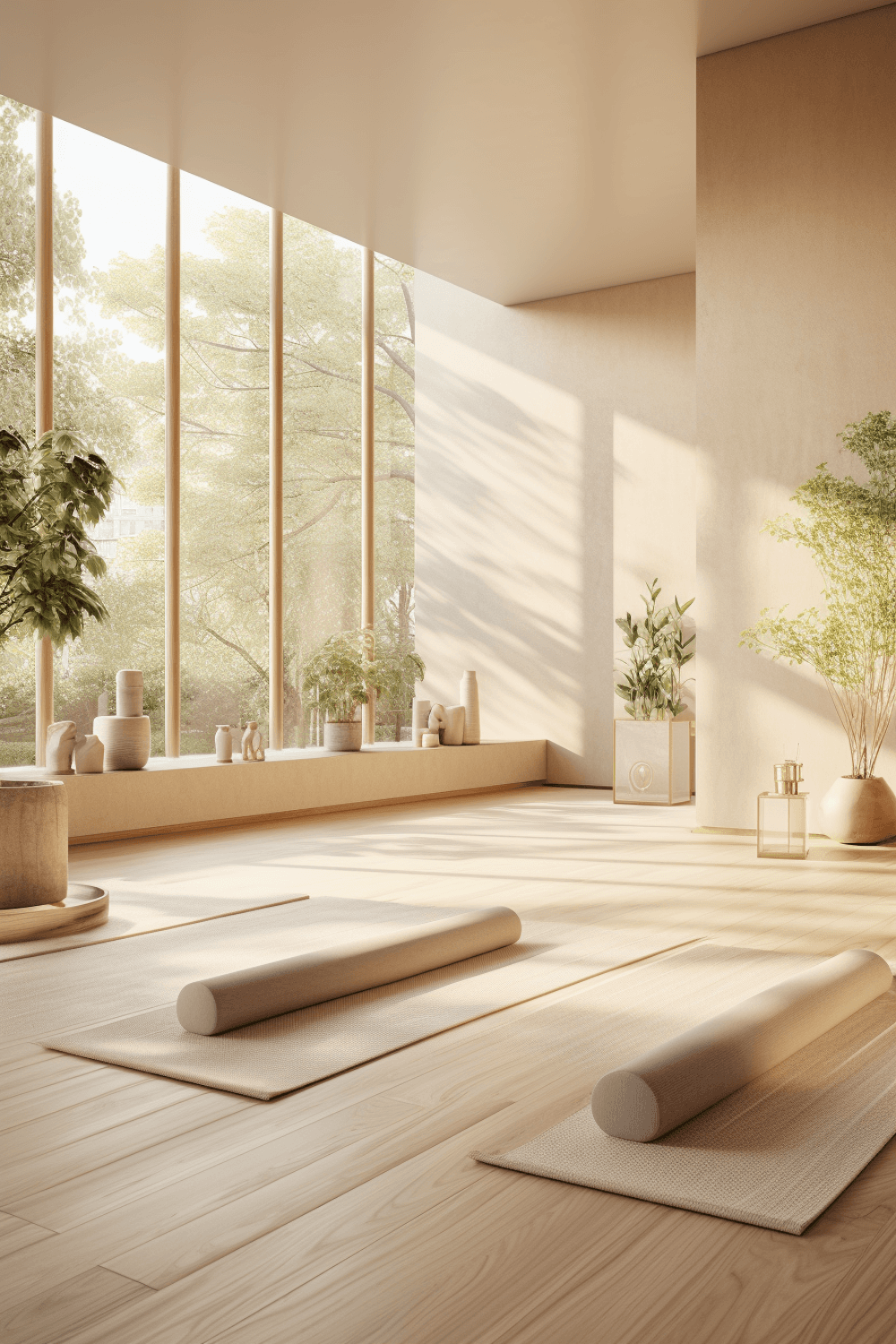
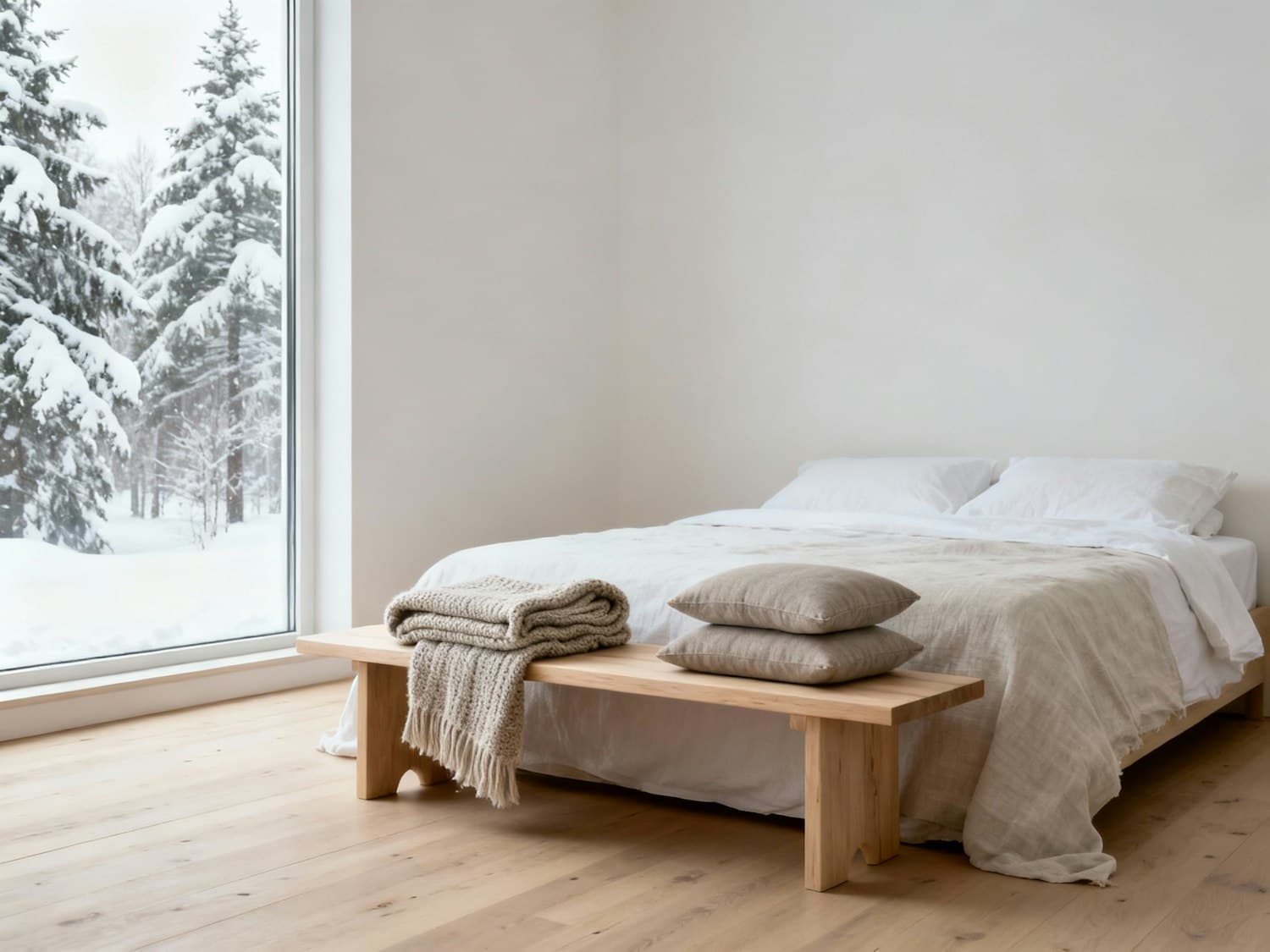
Visual noise is tiring. A restful room usually has a small palette of natural materials, repeated with care: lime plaster on the walls, timber underfoot, linen at the windows. Texture replaces pattern, and the eye finds rest in surfaces that change slowly with the light.
The most luxurious rooms are often the quietest ones.
Temperature and air
Few things disturb rest like a stuffy or overheated room. Where the climate allows, we design for cross-ventilation, windows people can open themselves and shading that keeps summer sun off the glass, so comfort does not depend entirely on machinery.
Places to withdraw
In shared buildings, rest needs privacy. Even a small alcove, a reading nook or a bench in a garden court gives people somewhere to step away without leaving altogether.
Designing for rest is less about grand gestures than about removing the reasons people cannot switch off. When those are gone, the building can simply let them be.