Light5 min read
Following the sun: natural light as a design material
Light is the material we use most and pay for least. How a building receives it shapes almost everything about how it feels.
By Elena MarloweFounding Partner
Light is the material we use most and pay for least. It arrives every morning, changes colour through the day and leaves in the evening, and the way a building receives it shapes almost everything about how it feels.
Start with the sun path
Before we draw a plan, we study how the sun moves across the site through the seasons, and where trees, hills and neighbouring buildings cast shadow. Rooms then find their place: kitchens and breakfast rooms toward the morning, living spaces toward the afternoon, studios toward steady north light.
Shade is as important as light
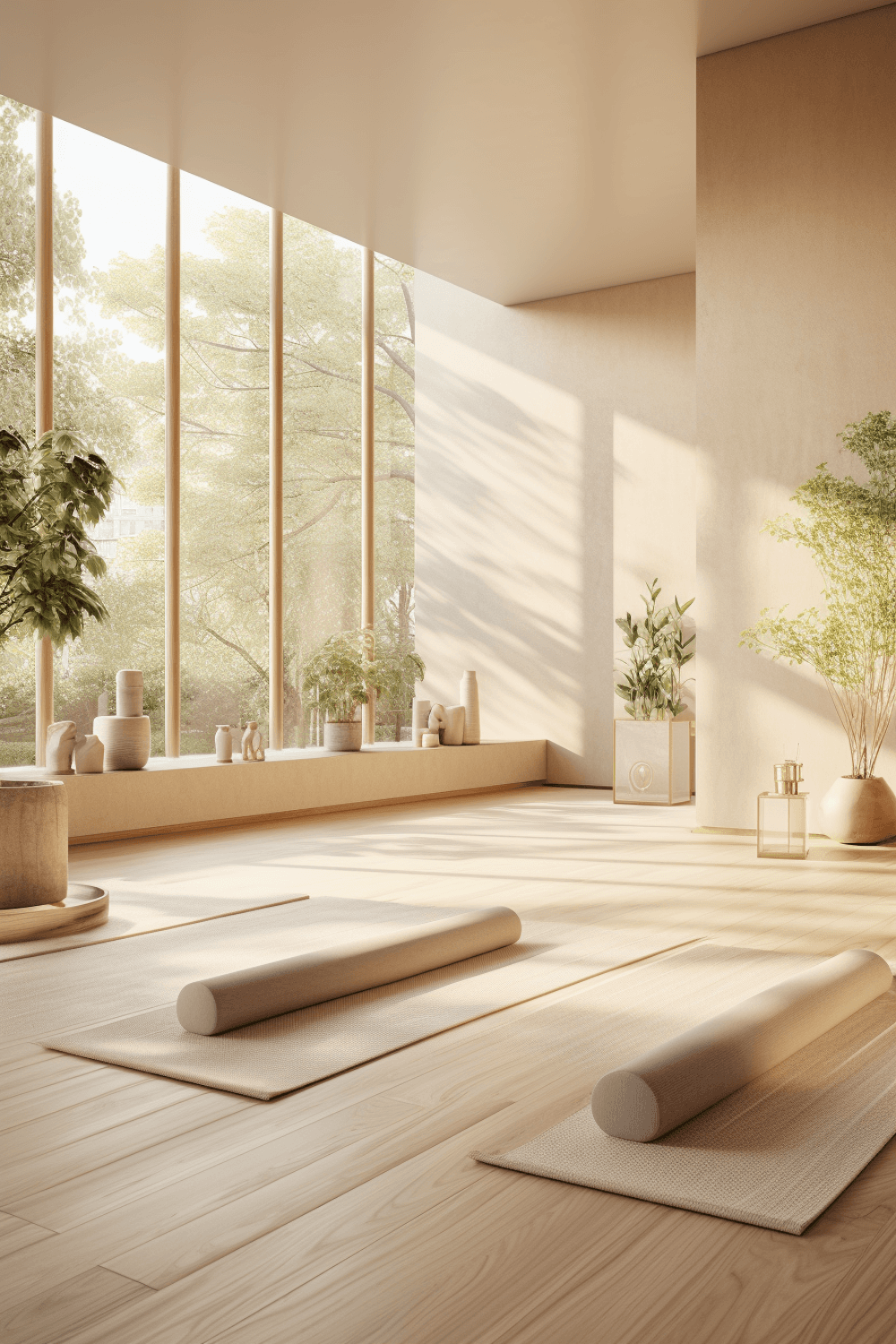
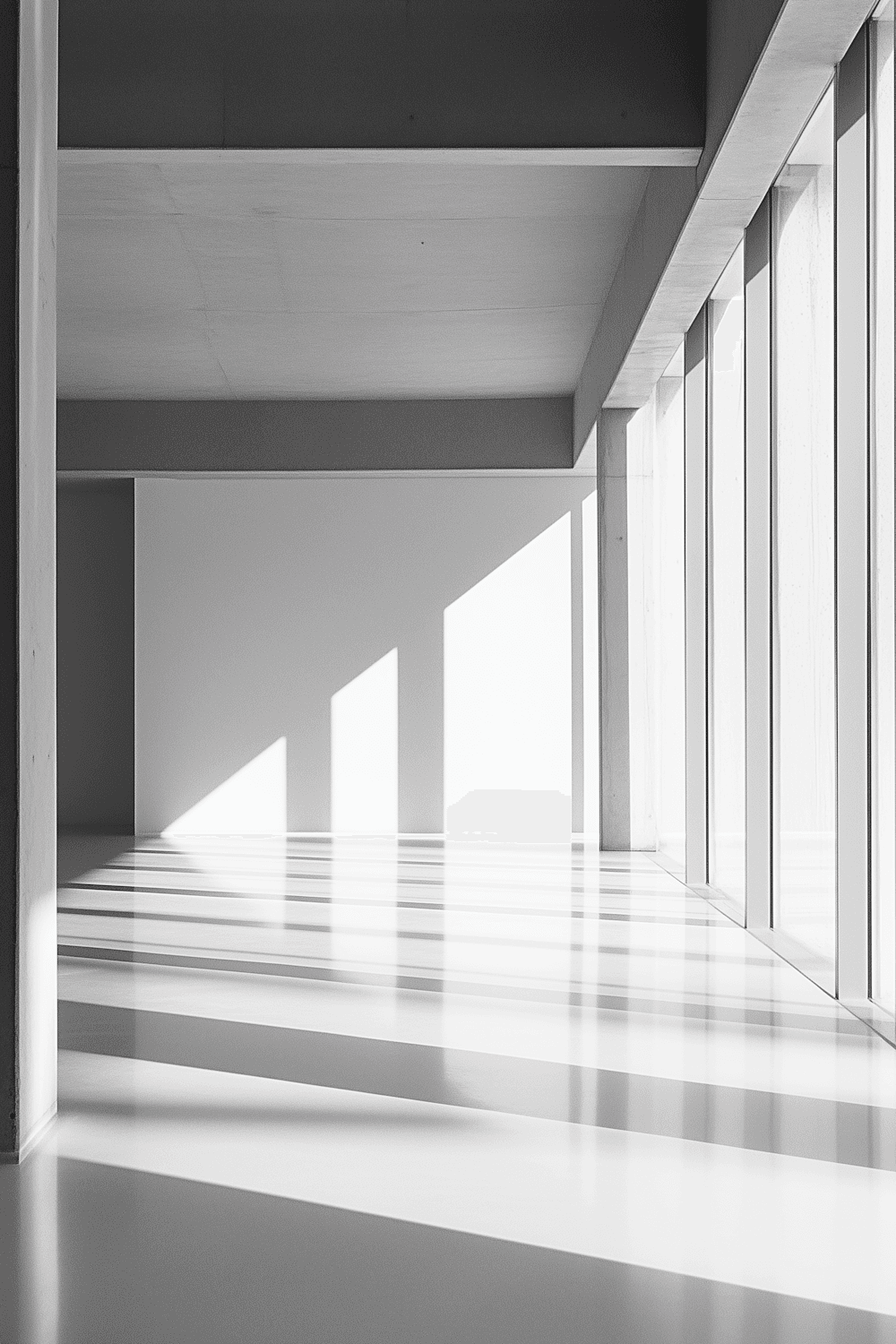
Too much direct sun brings glare and overheating. Deep eaves, pergolas, screens and planting let low winter sun in while holding back the high summer sun, and they draw beautiful patterns of shadow across walls and floors.
We design the shadow as carefully as the light.
Bringing light deep inside
In deep plans and dense cities, daylight needs help. Courtyards, light wells, rooflights and pale, matte finishes that reflect softly can carry daylight far into a building.
Light after dark
Evening light should feel different from midday. We favour warm, low and indirect lighting that can be dimmed, with fewer bright overhead fittings, so a building can wind down with the day.
Daylight design is best developed with specialists who can model it accurately. Our role is to make light a central idea from the very first sketch, rather than something checked at the end.